Aloe Vera Gel vs Avocado for Skin: What Evidence Shows
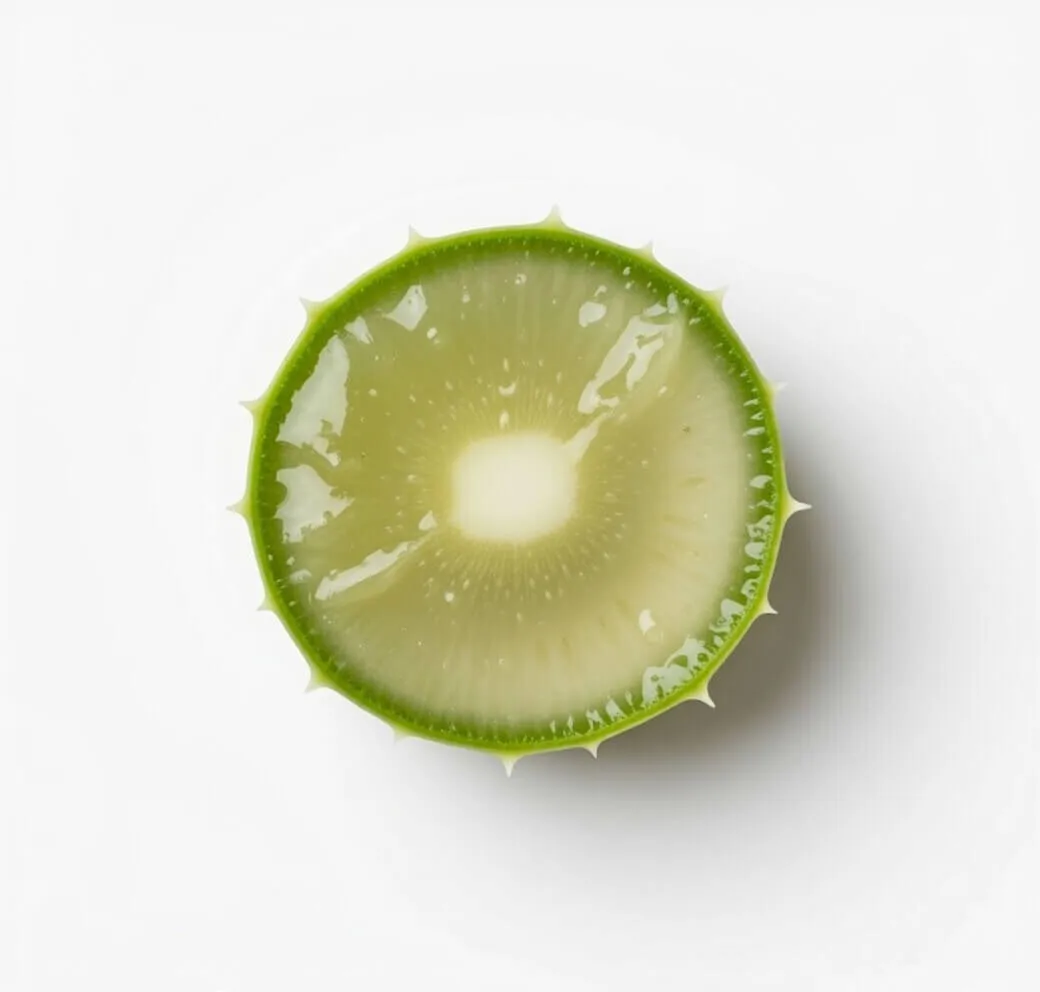
Two familiar, kitchen-friendly options come up often in skin care: the clear gel from an aloe leaf, and the creamy flesh of an avocado. They're used quite differently, and the research behind them isn't equally strong — so it helps to know what each one is actually supported for.
In short: aloe vera gel leans towards quick, cooling relief for minor burns and irritation, with strong evidence behind that use. Avocado leans towards everyday nourishment from the inside, with moderate evidence, plus an optional topical mask. Neither is meant for deep or serious wounds.
Aloe Vera Burn & Wound Gel: strong evidence for soothing relief
Aloe vera gel contains acemannan and other polysaccharides that accelerate wound repair, and it provides cooling, anti-inflammatory relief for sunburn and minor skin irritation. A systematic review (Maenthaisong et al., Burns, 2007) found that aloe vera significantly reduced burn recovery time compared with conventional care — which is why this gel carries a strong evidence rating for minor burns.
Using it is simple: cut a fresh aloe leaf and scoop out the clear gel, then apply it directly to the affected area, or blend for a smoother consistency. Commercial 100% aloe vera gel works too. Apply liberally as needed, three to four times daily.
A few sensible cautions: some people are allergic, so do a patch test first. Do not apply aloe gel to deep wounds or third-degree burns, and keep it for external use only.
Avocado Skin Nourishment: moderate evidence, everyday habit
Avocados are rich in skin-supporting nutrients: vitamin E, an antioxidant that protects against UV-induced oxidative damage; vitamin C, essential for collagen synthesis; monounsaturated fats that help maintain skin moisture and elasticity; and lutein and zeaxanthin, carotenoids that improve skin tone. A clinical study (Henning et al., J Cosmet Dermatol, 2022) found that daily avocado consumption significantly increased skin elasticity and firmness in women over eight weeks.
The everyday approach: eat half an avocado daily — in salads, on toast or blended into a smoothie. For a face mask, mash half a ripe avocado with a teaspoon of honey, apply for 15 minutes, then rinse; the oils penetrate skin deeply. Half an avocado daily as food, and a mask once or twice a week, is the suggested pattern.
Avocado is generally very safe, but an avocado allergy does exist and often cross-reacts with a latex allergy. It is also high in calories, so account for it in your daily intake, and patch test before applying it to your face.
Who might prefer which
Reach for the aloe gel if skin is already uncomfortable — sunburn, a minor kitchen burn or a patch of irritation — and you want the reassurance of strong evidence for shorter burn recovery time. Reach for avocado if you're building an everyday habit and want nourishment that works from within, with a mask as an occasional extra. The two fit together easily: gel for the moment, avocado at the table.
Key takeaways
- Aloe vera gel has strong evidence: a systematic review found it significantly reduced burn recovery time compared with conventional care, and it offers cooling relief for sunburn and minor irritation.
- Apply aloe gel liberally three to four times daily, patch test first, and keep it away from deep wounds and third-degree burns — external use only.
- Avocado's evidence is moderate: a clinical study found daily consumption significantly increased skin elasticity and firmness in women over eight weeks.
- Half an avocado daily as food, plus a mashed avocado and honey mask once or twice a week, is the suggested pattern — and worth patch testing first.
Remedies in this article
Cautions
Aloe Vera Burn & Wound Gel: Some people may be allergic — do a patch test first. Do not apply to deep wounds or third-degree burns. For external use only.
Avocado Skin Nourishment: Generally very safe. Avocado allergy exists (often cross-reacts with latex allergy). High in calories — account for in daily intake. Patch test before facial application.
Frequently asked questions
Can I use aloe gel on a sunburn?
Yes — aloe vera gel gives cooling, anti-inflammatory relief for sunburn and minor skin irritation, and the evidence for burn recovery is strong. Cut a leaf and apply the clear gel, or use a 100% aloe gel, three to four times daily. Patch test first, and don't use it on deep wounds or third-degree burns.
Does eating avocado really change my skin?
Studies suggest it may help. A clinical study found that daily avocado consumption significantly increased skin elasticity and firmness in women over eight weeks, and its vitamin E, vitamin C, monounsaturated fats and carotenoids all support skin. The evidence here is moderate rather than strong, so think of it as a supportive daily habit.
Which should I choose for a minor burn?
Aloe vera gel is the one with strong evidence for minor burns — a systematic review found it significantly reduced burn recovery time compared with conventional care. Avocado's evidence concerns skin elasticity and firmness from daily eating, not burns. For anything deep or severe, aloe gel isn't appropriate — seek medical advice.
References
Maenthaisong et al., Burns, 2007 — Systematic review of 4 controlled trials
Look up this research on PubMed
Dreher & Davenport, Crit Rev Food Sci Nutr, 2013 — Review; Henning et al., J Cosmet Dermatol, 2022
Look up this research on PubMed
Maenthaisong et al., Burns, 2007 — Systematic review of controlled trials on burn healing
Explore
More articles
A calm guide to the fresh plantain leaf poultice: what the evidence says, how to prepare it, and when to seek medical attention.
Aloe vera gel or burdock root tea? What the evidence shows for burns and blemishes, who each suits, and the cautions worth knowing first.
Compare moderate evidence for calendula salve and carrot skin glow, with practical uses, cautions and who may prefer each.